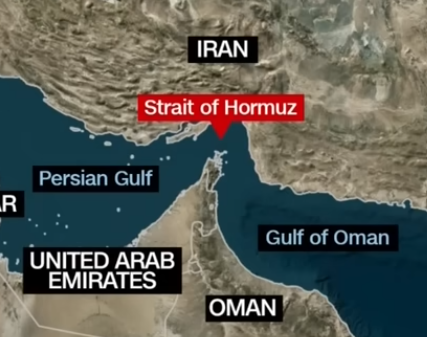
The administration says the Strait of Hormuz is open and that more oil is leaving the Persian Gulf now than before the Iran war began. Both claims are directionally true. Neither one explains why a barrel of Brent still costs more than one hundred thirteen dollars and why a gallon of regular gasoline still averages more than four dollars. Diesel is worse. It sits above six dollars a gallon. Those prices are the ones Americans actually pay. The volume numbers the White House prefers do not change the arithmetic at the pump.
What Is Actually Moving
Crude oil from the Gulf has recovered. Tracking firms put regional exports near or above the pre-war average of roughly twenty-three to twenty-four million barrels a day when pipelines and ship-to-ship transfers are counted. Roughly forty percent of that crude now bypasses the strait entirely through Saudi and Emirati pipelines. The rest moves under U.S. naval escort or in the dark with transponders off. Visible commercial traffic through the strait itself remains a fraction of normal—about ten percent of the pre-war daily count. Refined products tell a different story. Gasoline, diesel, and jet fuel flows are still well below pre-war levels. Iranian exports have been cut to near zero by the naval blockade. The crude is getting out. The products that become the fuel in an American tank are not flowing at the same rate.
Why the Price Stays High
Oil is priced on risk as much as on barrels. Attacks on tankers continue. Insurance rates for vessels that enter the region remain elevated. The market has not been given a clear end date for the escort regime or the blockade. Futures curves still show prices above one hundred dollars a barrel well into next year. That is the war premium. It has not disappeared simply because more crude is now finding a way around the chokepoint.
The second problem is the product market. American refineries run on a mix of crude grades. Disruptions in Middle East flows and in refined product exports have tightened diesel and gasoline supplies even when crude volumes look better on paper. U.S. commercial inventories are not building the cushion traders want. OPEC+ has held production targets steady. None of those factors reverse overnight when a few more tankers clear the strait under escort.
What Actually Lowers the Price
The risk premium ends when the risk ends. A durable settlement that removes the threat of further attacks and allows unrestricted transit would do more to lower prices than any other single step. Short of that, the administration can release more oil from the Strategic Petroleum Reserve. It can push for a temporary suspension of the federal gasoline tax. It can clear remaining permitting delays on domestic production and pipelines. Those steps can shave the peak. They do not erase a premium that is priced in because ships are still being attacked and because the market does not yet believe the disruption is over.
More oil is moving than it was in March. That is real. The price Americans pay at the pump has not followed it down because the market is still paying for the chance that the next attack closes the route again. Until that chance drops, the barrel stays expensive and the gallon stays high.